Welcome to our informative guide on how to effectively eliminate under-eye bags, a common concern among individuals seeking a powerful and authoritative solution.
In this article, we will explore lifestyle changes, home remedies 如何变白, skincare products, and professional treatments that have proven effective in reducing the appearance of eyebags.
Additionally, we will discuss preventive measures to avoid their formation.
Stay tuned to discover the most efficient methods to regain a youthful and vibrant appearance around the eyes.

Lifestyle Changes for Reducing Under-Eye Bags
Making certain lifestyle changes can help in reducing the appearance of under-eye bags. Natural remedies for reducing under-eye bags include applying cold compresses, cucumber slices, or tea bags to the affected area. These remedies can help to constrict blood vessels and reduce inflammation, resulting in a decrease in under-eye bags.
In addition to natural remedies, maintaining a healthy diet and exercise routine is crucial for preventing under-eye bags. A diet rich in antioxidants, such as fruits and vegetables, can promote skin health and elasticity. Regular exercise improves blood circulation, which can reduce fluid retention and prevent the formation of under-eye bags.
Effective Home Remedies for Treating Eyebags
One effective way to address the appearance of puffiness and discoloration under the eyes is by utilizing various natural remedies that can be easily found at home. These remedies can provide a non-invasive and cost-effective solution to reduce the appearance of under-eye bags.
Natural remedies include applying cold compresses, such as chilled cucumber slices or cold tea bags, to the affected area to reduce swelling and tighten the skin.
Additionally, incorporating certain diet changes can also help in reducing under-eye bags. Consuming a balanced diet rich in antioxidants, vitamins, and minerals can promote healthy skin and reduce inflammation. Foods such as berries, leafy greens, and fatty fish can provide essential nutrients that support skin health.
Skincare Products That Target Under-Eye Bags
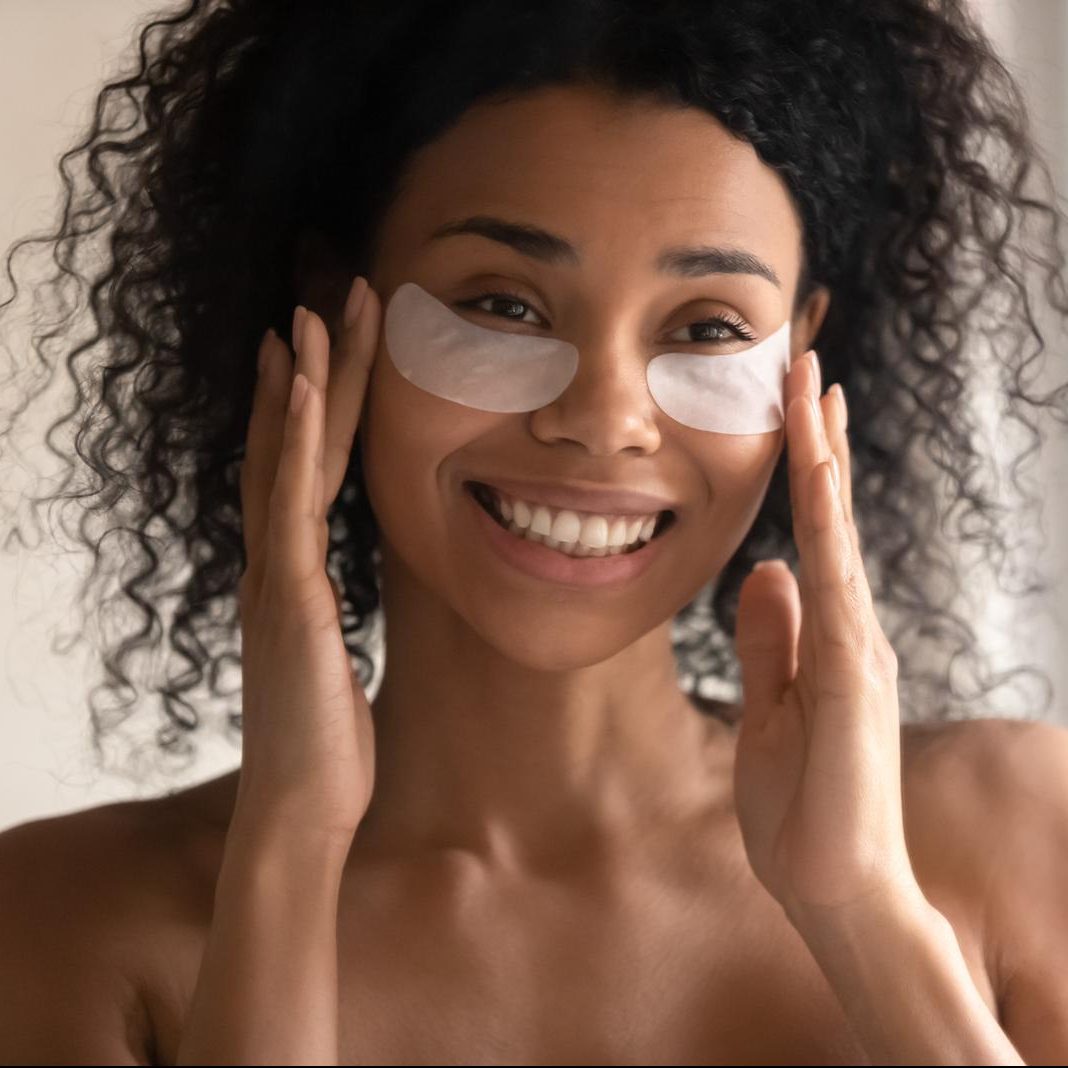
Skincare products specifically formulated to address under-eye bags offer a targeted approach to reducing puffiness and dark circles. When it comes to eye cream recommendations, there are a few key ingredients to look for.
Caffeine is a powerful stimulant that can help constrict blood vessels, reducing the appearance of puffiness. Retinol, a derivative of vitamin A, can help increase collagen production and improve the elasticity of the skin. Hyaluronic acid is another beneficial ingredient, as it helps to hydrate and plump the skin, minimizing the appearance of fine lines and wrinkles.
While natural remedies for under-eye bags can be effective for some, skincare products are often preferred for their convenience and precise formulation. For optimal results, choose products that are specifically designed to target under-eye bags and follow a consistent skincare routine.
Professional Treatments to Get Rid of Under-Eye Bags
Professional treatments, such as laser therapy or dermal fillers, can effectively reduce the appearance of under-eye bags by targeting the underlying causes and providing long-lasting results. These non-invasive options offer a powerful solution for individuals seeking to regain a youthful and energetic appearance.
Laser therapy works by stimulating collagen production, which tightens the skin and reduces the puffiness associated with under-eye bags. Dermal fillers, on the other hand, can fill in hollow areas and smooth out wrinkles, creating a more rejuvenated look.
While these professional treatments offer significant benefits, it is important to note that there are also surgical procedures available for those who desire a more permanent solution. Surgical options such as blepharoplasty can effectively remove excess skin and fat, resulting in a more youthful and refreshed appearance.
Consulting with a qualified professional can help determine the most suitable treatment option based on individual needs and preferences.
To minimize the formation of under-eye bags, implementing a consistent sleep routine, managing stress levels, and maintaining a healthy diet can be effective preventive measures.
Adequate sleep is crucial in preventing the appearance of under-eye bags. Lack of sleep can lead to fluid retention and poor circulation, exacerbating the puffiness under the eyes. Establishing a regular sleep schedule and ensuring quality sleep can help reduce the risk of developing under-eye bags.
Managing stress levels is also important in preventing under-eye bags. High levels of stress can contribute to inflammation and fluid retention in the body, including the under-eye area. Engaging in stress-reducing activities such as exercise, meditation, and relaxation techniques can help prevent the formation of under-eye bags.
In addition, maintaining a healthy diet can play a significant role in preventing under-eye bags. Consuming foods rich in antioxidants, vitamins, and minerals can help strengthen the skin and prevent fluid retention. Avoiding foods that are high in sodium and processed sugars can also help minimize the risk of under-eye bag formation.
Furthermore, managing allergies effectively can contribute to preventing under-eye bags. Allergies can lead to inflammation and irritation, causing the blood vessels under the eyes to swell and result in under-eye bags. Identifying and avoiding allergens, using over-the-counter antihistamines, and seeking medical treatment if necessary can help manage allergies and reduce the risk of under-eye bags.
Conclusion
In conclusion, reducing under-eye bags can be achieved through lifestyle changes, home remedies, skincare products, professional treatments, and preventive measures.
By adopting a healthy lifestyle, such as getting enough sleep, managing stress, and maintaining a balanced diet, individuals can improve the appearance of under-eye bags.
Additionally, using natural remedies, like cucumber slices or cold tea bags, can provide temporary relief.
Skincare products containing ingredients like caffeine or retinol can also help reduce under-eye bags.
Lastly, professional treatments like laser therapy or fillers may offer long-lasting results. It is important to consult with a healthcare professional for personalized advice.
…

 The Fires