
Rats carry bacteria, viruses, and parasites that spread via urine, droppings, saliva, and bites, posing clear public‑health risks. Their gnawing damages wiring rat repellent spray, insulation, and structures, creating fire and thermal hazards. Food and inventory suffer contamination, spoilage, and costly recalls. Rapid breeding sustains infestations once established. Visible droppings, urine trails, gnaw marks, and nocturnal noises indicate active harborage. Preventive exclusion, sanitation, and targeted monitoring reduce risk; further guidance explains practical detection and control steps.
Health Risks From Rat-Borne Diseases
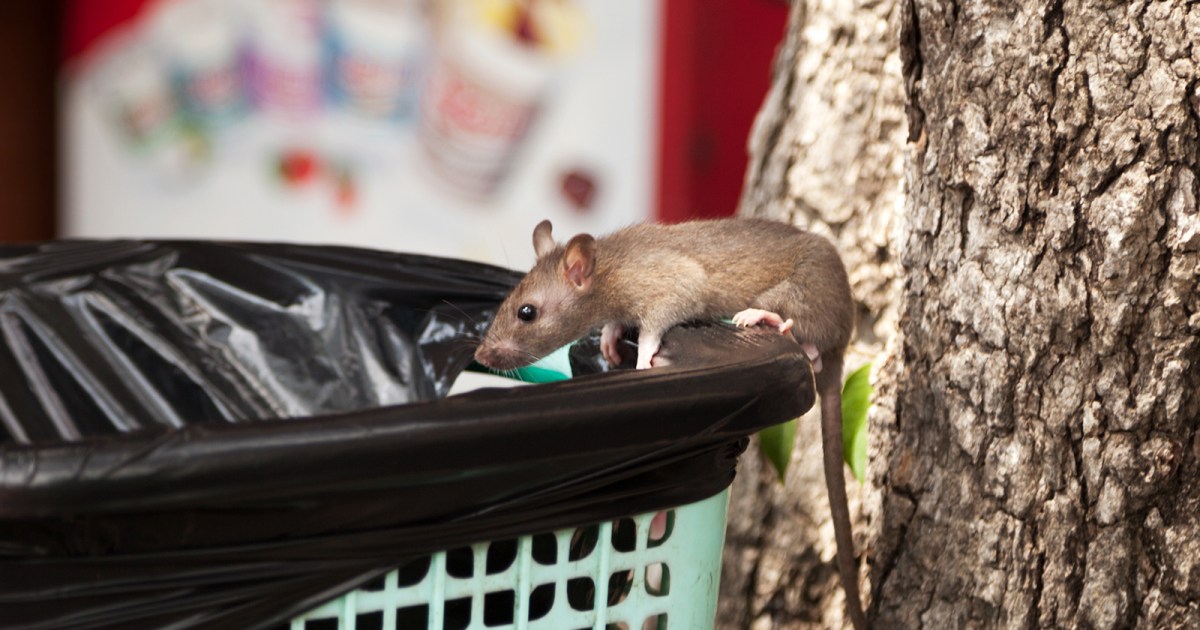
Frequently, rats carry pathogens that pose serious health risks to humans; these include bacteria (Leptospira, Salmonella), viruses (hantaviruses), and parasites (rat-bite fever agents), all of which can be transmitted via urine, feces, saliva, bites, or contaminated food and surfaces. The rodent borne disease burden demands targeted surveillance, rapid diagnostics, and engineered sanitation to mitigate transmission. Epidemiological data link leptospirosis outbreaks to flood-related water contamination and inadequate waste management. Occupational exposure among sewer, agricultural, and sanitation workers elevates risk, warranting vaccination where available, personal protective equipment, and procedural controls https://igreenasia.com/. Preventive strategies prioritize source control, environmental design that limits contact points, and data-driven monitoring systems to detect emerging zoonoses early, enabling iterative, innovative public health responses.
Structural Damage and Fire Hazards
Beyond infectious threats, rats also pose significant risks to the built environment through gnawing, nesting, and hardware interference that degrade structural integrity and elevate fire hazards. Evidence shows insulation nesting accelerates material deterioration, reducing thermal performance and exposing structural cavities to moisture and pests. Chewing behavior causes wiring destruction that compromises electrical systems, producing short circuits and ignition sources. Preventive strategies—sealing entry points with rodent-resistant materials, retrofitting vulnerable conduits, and installing non-flammable insulation alternatives—reduce risk. Monitoring via smart sensors and regular infrared inspections enables early detection of heat anomalies associated with compromised wiring. Integrated pest management paired with targeted building innovations offers measurable risk reduction, guiding facilities managers and designers toward resilient, evidence-based solutions that prioritize safety and operational continuity.
Food Contamination and Economic Losses
Rats contaminate food supplies through droppings, urine, hair and biting, introducing pathogens that compromise safety and require disposal. Such contamination accelerates spoilage and product loss, increasing waste and inventory write-offs for food handlers. Regulatory penalties and lost sales from recalls or consumer avoidance translate into measurable economic losses for affected businesses.
Contaminated Food Supplies
In urban and agricultural settings, rodent activity contaminates stored and processed food through feces, urine, hair, and saliva, introducing pathogens such as Salmonella, Leptospira, and hantaviruses that pose direct human health risks. Such contamination undermines food safety protocols, prompts costly recalls, and creates supply chain disruption that affects producers, distributors, and retailers. Quantified monitoring, rapid-response containment, and novel barrier technologies reduce cross-contamination and economic exposure. Effective strategies must address cultural perceptions that hinder reporting and adoption of preventive systems, integrating education with scalable sanitation engineering. Risk assessment models and sensor-driven alerts enable targeted interventions before wide distribution occurs.
- Precise detection reduces unnecessary disposal.
- Rapid isolation limits downstream spread.
- Automated monitoring informs resource allocation.
- Community engagement shifts cultural perceptions.
- Innovative sealing tech prevents entry.
Spoilage and Product Loss
When rodent incursions breach storage or processing environments, they accelerate spoilage and trigger product losses by introducing moisture, excreta, and physical damage that compromise shelf life and safety. Quantitative studies show microbial loads and enzymatic activity rise rapidly after contamination, causing measurable shelf life reduction and increased waste. Physical gnawing and packaging breaches expose products to oxygen and pests, amplifying oxidation and mold growth. Preventive interventions — sealed, tamper-resistant packaging, smart sensors for humidity and breach detection, and targeted exclusion techniques — demonstrably limit losses. Cost-benefit analyses favor proactive monitoring and integrated pest management over reactive disposal. For innovative operators, deploying real-time analytics and resilient supply-chain packaging reduces spoilage rates and secures product integrity, preserving margins and consumer trust.
Lost Sales and Fines
Beyond direct spoilage, rodent contamination precipitates measurable lost sales and regulatory fines by rendering batches unsellable, forcing recalls, or prompting facility shutdowns for remediation. The downstream economic impact includes destroyed inventory, interrupted production lines, and reputational harm that reduces order volumes. Financial controls must capture lost invoices and document remediation costs to support insurance claims and future prevention budgeting. Compliance teams track incidents to mitigate regulatory penalties and to justify investment in innovative exclusion and monitoring systems. Evidence-based rodent management reduces recurrence, limits exposures, and preserves market access. Proactive auditing and rapid response protocols convert reactive losses into data that inform optimized facility design and smarter supply-chain resilience.
- Immediate recall and disposal costs
- Lost invoices and revenue recognition gaps
- Regulatory penalties and inspection fees
- Production downtime and labor reallocation
- Brand damage and lost contracts
Rapid Reproduction and Population Growth
A single female rat can produce multiple litters per year, each containing six to twelve pups, enabling exponential population growth under favorable conditions. Breeding cycles are short—sexual maturity at five to seven weeks and gestation around 21–24 days—so Population dynamics favor rapid expansion when food, shelter, and minimal predation coincide. Empirical studies show doubling times measured in months, not years, making small colonies high-risk nodes. Preventive strategies that target reproduction (habitat modification, waste management, exclusion) reduce recruitment more effectively than reactive removal alone. Innovative interventions—automated monitoring of activity, targeted fertility control, and predictive modeling—offer scalable, evidence-based mitigation. Proactive deployment minimizes establishment probability, limits spread, and reduces long-term control costs while preserving public health.
Signs of Infestation to Watch For
Signs of infestation can be identified early by specific, observable indicators that correlate with rodent activity. Fresh droppings and urine trails indicate active presence and potential disease risk; gnaw marks and chewed materials reveal feeding behavior and structural vulnerability. Nocturnal noises and movement—scratching in walls, scurrying in attics—signal occupied harborage and warrant prompt inspection and containment.
Droppings and Urine Trails
Rats leave distinct fecal pellets and urine trails that serve as reliable indicators of active infestation; fresh droppings are dark, shiny, and soft, while older ones brown and harden, and urine often produces visible streaks or a musky odor along travel routes and nesting sites. Observers should prioritize urine detection and droppings cleanup to reduce pathogen spread and enable targeted interventions. Sampling patterns reveals runways, food points, and nests; documentation supports data-driven control. Protective protocols for cleanup minimize exposure to hantavirus and leptospira. Innovative detection tools (UV light, sensor networks) improve early warning and reduce chemical reliance.
- Map droppings frequency to prioritize treatment zones
- Use UV or sensors for urine detection
- Apply PPE during droppings cleanup
- Log findings for adaptive management
- Combine sanitation with exclusion measures
Gnaw Marks and Damage
Following identification of droppings and urine trails, attention should turn to physical damage patterns that confirm ongoing activity and indicate access points. Gnaw marks on wood, plastic, and metal fasteners exhibit characteristic parallel scoring; measurements of mark width and depth help estimate species and size. Insulation shredding in attics or wall cavities signals nesting and thermal compromise, increasing energy loss and fire risk. Evidence of wire chewing on electrical conduits correlates with short-circuit incidents; documenting bite locations informs targeted protective retrofits such as conduit shielding or rodent-resistant materials. Practitioners should map damage, photograph with scale, and prioritize interventions where structural integrity, HVAC efficiency, or electrical safety are affected. Early detection enables innovative, preventive engineering controls and focused exclusion efforts.
Nocturnal Noises and Movements
How often are unexplained nocturnal sounds—scratching, scurrying, thumps—heard in walls, ceilings, or attic spaces? Observers report nighttime scratching correlated with increased infestation risk; shadowy movements detected at entry points suggest active transit routes. Empirical inspections link specific acoustics to rodent density and behavior. Prompt identification enables targeted mitigation that reduces disease vectors and structural damage. Recommended indicators to monitor:
- Recurrent nighttime scratching localized near insulation or wiring.
- Intermittent thumping consistent with nesting or territorial disputes.
- Shadowy movements observed under eaves, vents, or behind appliances.
- Fresh droppings aligned temporally with nocturnal activity peaks.
- Displaced materials (insulation, paper) indicating nesting progression.
Proactive surveillance, acoustic monitoring, and sealing of ingress pathways constitute evidence-based preventive measures for innovative pest management.
Preventive Measures for Homes and Businesses
In residential and commercial settings, systematic exclusion, sanitation, and monitoring reduce the risk of rodent infestation and associated disease transmission. Routine seasonal inspections identify entry points, nesting sites, and food reservoirs; data from inspections guide targeted rodent proofing techniques such as sealing gaps, installing door sweeps, and screening vents. Waste management protocols and hygienic storage of supplies remove attractants; landscaping choices minimize ground cover and debris that conceal rodents. Integrated monitoring employs sensor-enabled traps and regular evidence logging to detect low-density activity before establishment. Staff and occupant training reinforces rapid reporting and adherence to preventive protocols. Fiscal planning allocates resources for maintenance cycles and technology updates, supporting resilient, scalable prevention rather than reactive remediation.
Effective Control Methods and Treatments
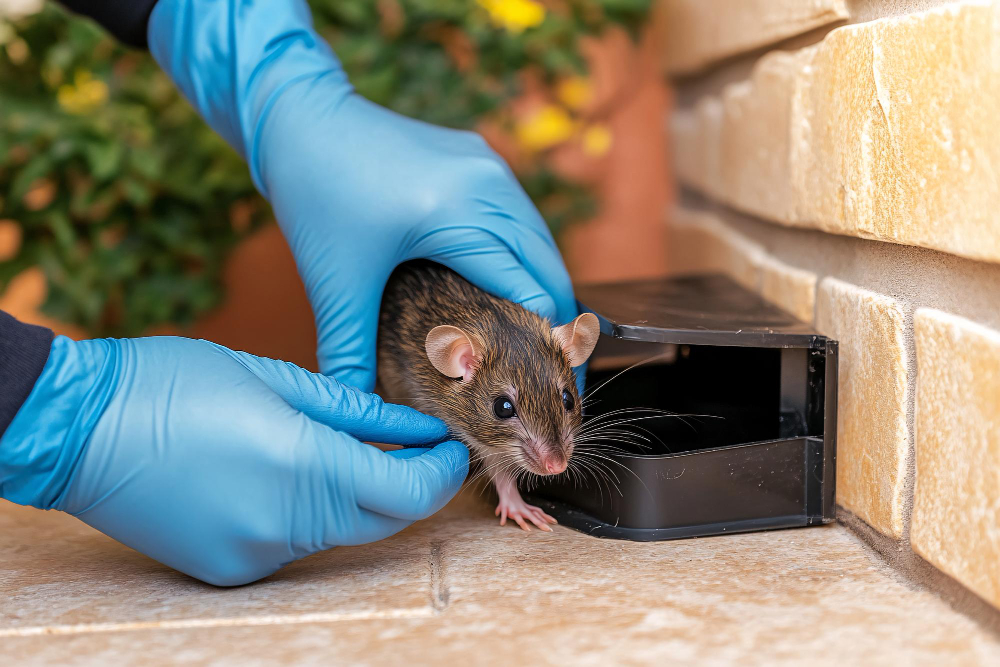
Combine targeted physical, mechanical, and chemical interventions guided by monitoring data to reduce rodent populations quickly while minimizing non-target risks. The approach prioritizes evidence-based selection of tools—secure bait stations for focused toxicant delivery, snap traps in high-activity corridors, exclusion techniques at entry points, and strategic use of ultrasonic deterrents as adjuncts. Continuous monitoring with sensors and inspection informs adaptive treatment cycles and limits exposure. Integrated sanitation and habitat modification reduce reinfestation potential. Emphasis is on measurable outcomes, safety protocols, and iterative optimization to incorporate emerging technologies.
- Use tamper-resistant bait stations with tamper-evident seals
- Deploy mechanical traps aligned with activity mapping
- Apply rodenticides selectively, following label and risk assessments
- Integrate ultrasonic deterrents as supplemental, not sole, control
- Maintain data-driven monitoring and rapid adjustment
When to Call a Professional Exterminator
When signs indicate widespread infestation, structural damage, or repeated failures of targeted control measures, a professional exterminator should be engaged promptly. Specialists assess infestation extent using standardized inspection protocols, deploy integrated pest management, and recommend durable exclusion and sanitation modifications. Rapid-response teams offering same day response reduce pathogen spread and ongoing property loss. Professionals document findings and corrective actions, producing evidence useful for insurance claims and compliance audits. Treatment plans prioritize minimally invasive, monitored technologies and quantify risk reduction with metrics. Homeowners and facility managers are advised to consult licensed providers when DIY attempts produce recurrent activity, when droppings or gnawing appear in hidden voids, or when children, elderly, or immunocompromised individuals are present. Early professional intervention preserves assets and health.
Conclusion
Rats pose documented threats to health, property and commerce: they transmit pathogens, compromise structural integrity and contaminate food, causing measurable economic loss. Their rapid breeding accelerates infestations, increasing fire and sanitation hazards. Early detection—droppings, gnaw marks, nocturnal activity—and proactive exclusion, sanitation and baiting reduce risk. Evidence-based preventive measures and timely, professional intervention when infestations persist are essential to limit disease transmission, property damage and financial impact. Prompt action prevents escalation.